Lisbon’s Fado Bars and the Night That Wrecked My Travel Plans
I was supposed to be in Lisbon for two nights. A quick stopover on the way to Morocco, just enough time to tick the main sights off the list and eat a pastel de nata or twelve. That was the plan. The plan lasted approximately six hours.
What happened was fado. And fado, if you’re not familiar, is the kind of music that reaches into your chest, grabs something fundamental, and refuses to let go. One night in a tiny bar in Alfama and suddenly Morocco could wait. Everything could wait.
What Even Is Fado?
Fado is Portugal’s traditional music, and calling it “traditional” doesn’t do it justice. It’s raw, emotional, and built around a feeling the Portuguese call saudade — a deep, bittersweet longing for something or someone that’s gone. There’s no direct English translation, and honestly, you don’t need one. You feel it the moment someone starts singing.
The setup is usually simple: a singer, a Portuguese guitar (which has this shimmering, melancholic sound unlike anything else), and a classical guitar. That’s it. No drums, no bass, no effects. Just voice and strings in a small room, and somehow it fills every corner of the space with emotion.
The Night in Alfama
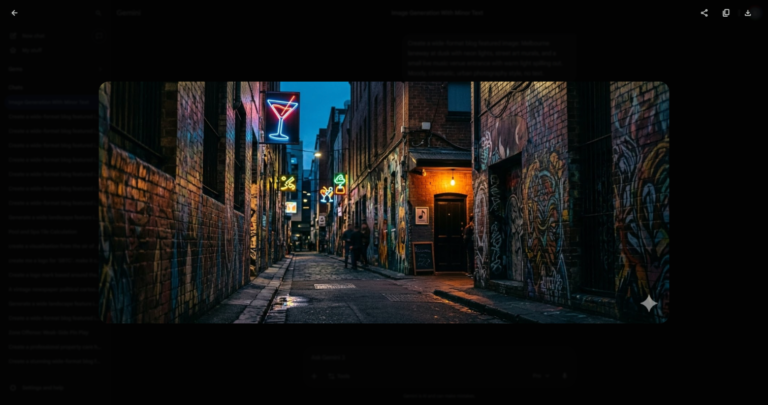
Alfama is the old quarter of Lisbon — narrow cobblestone streets that wind up the hillside, laundry hanging between buildings, the smell of grilled sardines drifting from somewhere nearby. It’s the historic home of fado, and while there are touristy fado shows all over the city, the real stuff happens in the tiny bars hidden in these back streets.
I found one by accident. There was no sign, just an open door and the sound of a guitar drifting out. I walked in, sat down, ordered whatever wine they were pouring, and within five minutes I was completely gone. The singer — a woman who couldn’t have been younger than seventy — closed her eyes and sang like she was alone in the room. The entire bar went silent. Not politely quiet. Actually, genuinely silent.
I don’t speak Portuguese, but it didn’t matter. The emotion in her voice transcended language completely. When she finished, there was this moment of absolute stillness before the room erupted. I had actual tears in my eyes, which I’ll blame on the wine if anyone asks.
Why I Stayed
I extended my Lisbon stay by four days. Cancelled the Morocco leg entirely and I don’t regret it for a second. Every night I went out and found a different fado bar. Some were touristy, some were authentic, and after a few nights I could tell the difference. The real ones don’t have menus in English and the locals outnumber the tourists.
During the days I explored the city, which is incredible in its own right. The tiled buildings, the viewpoints, the egg tarts, the way the light hits the Tagus River in the late afternoon. Lisbon has this faded grandeur that pairs perfectly with the melancholy of fado. For planning a trip there, Visit Portugal has excellent neighbourhood guides for getting beyond the tourist spots.
Tips for Finding Real Fado
Skip the big restaurants that advertise “Fado Show with Dinner” in neon signs. Those are fine if you want the experience in a sanitised package, but the magic of fado is in the intimacy. You want a small room, you want to be close enough to see the singer’s expressions, and you want the audience to actually care about the music.
Ask locals. The staff at your hostel, the bartender at the place you have a pre-dinner drink, the person selling you sardines at the market. Everyone in Lisbon has a favourite fado spot and they’re usually happy to share.
Go late. The best performances often don’t start until 10 or 11pm, and the atmosphere improves as the night goes on and the crowd loosens up.
The Takeaway
Sometimes the best travel experiences are the ones you didn’t plan for. I went to Lisbon expecting nothing and left with a new obsession, a phone full of voice recordings I’ll never delete, and the absolute certainty that I’ll be back. If you’re anywhere near Portugal, make time for a fado night. Just maybe don’t book any non-refundable flights for the next day.